
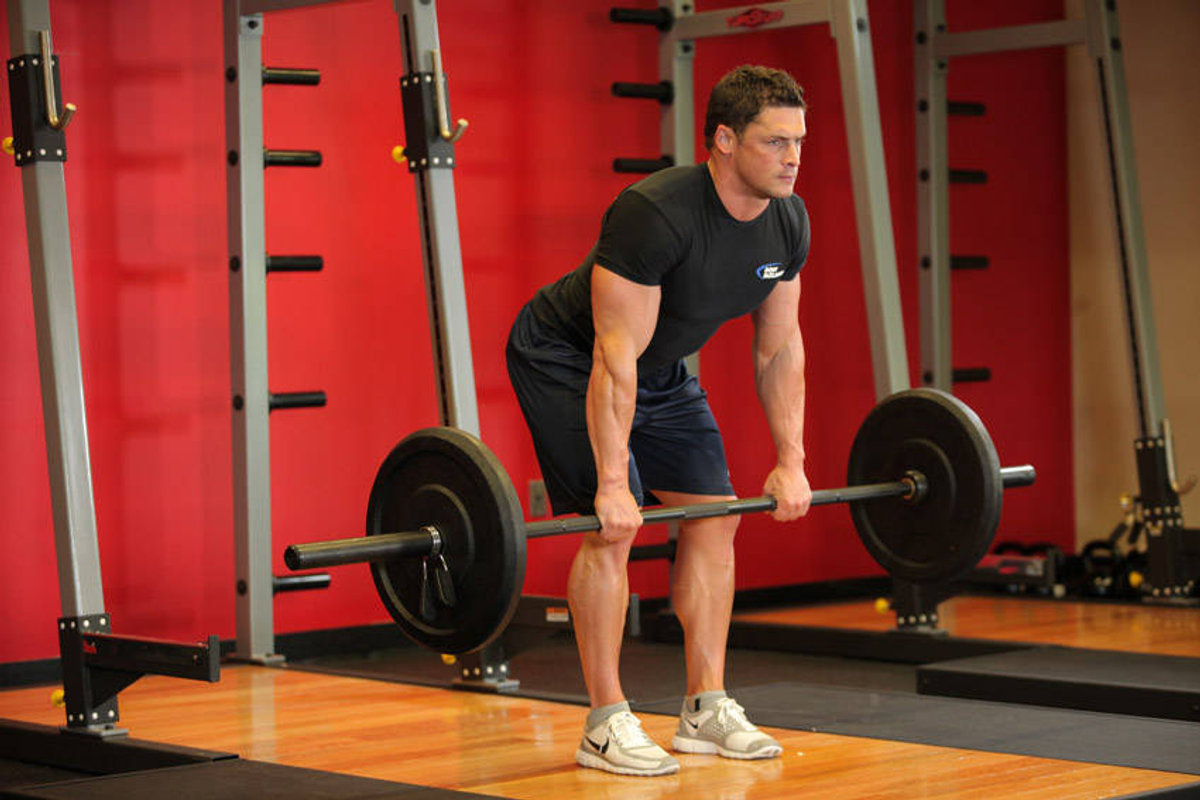
Bent-Over Barbell Row
Safety Rating for 40+
Benefits for 40+
The bent-over barbell row trains the entire posterior chain as stabilizers alongside the back – a functional full-body exercise. For experienced 40+ trainees with good technique, it provides high training stimulus that transfers to everyday movements like lifting and bending. The isometric hold of the spinal erectors strengthens the vertebral muscles crucial for fall prevention and functional independence after 40.
Form Cues
- Hip hinge with neutral back – torso at roughly 45° to horizontal
- Pull bar to lower sternum, elbows close
- Keep torso stable – no rising up or using momentum
Common Mistakes
- Rounding the back under load – violates McGill's spine-sparing principles and significantly increases disc injury risk
- Rising torso with each rep – reduces training stimulus and creates uncontrolled spinal loading
- Too heavy weight that can only be moved with momentum – systemic overload at low SFR
- Bending wrists instead of keeping neutral – stresses the wrist structures more vulnerable in 40+
Modifications
Beginner
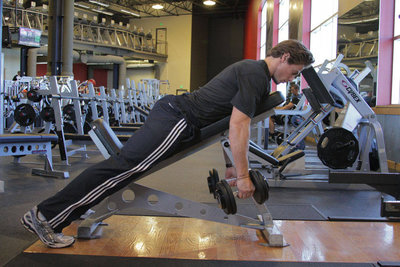
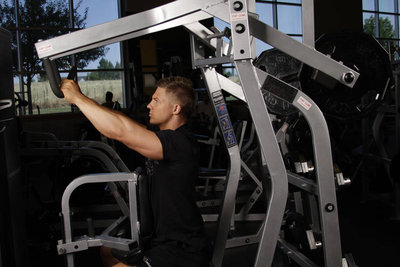
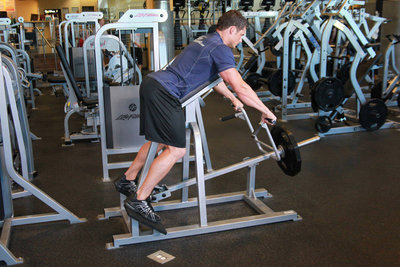
Prefer chest-supported alternatives (dumbbell incline row, leverage high row, lying T-bar row). If bent-over rowing is desired: very light weight, focus on neutral spine, maximum RPE 6.
For Joint Issues
For back issues: NOT recommended – McGill's spine-sparing principles advise against loaded flexion positions. Choose chest-supported rowing variations instead that completely unload the lumbar spine. For shoulder problems: use narrower grip and reduced ROM.
Advanced
Pendlay rows (each rep from the floor) for explosive power. Yates row (more upright torso, supinated grip) for more biceps involvement. Always maintain RPE 7–8 – never train to form breakdown.
Scientific Basis
Classic compound for the upper back. Tier 2 for 40+ because the bent-over position places high demands on lumbar stability. The research lists bent rows under 'Caution' for spinal issues – prefer chest-supported alternatives.
Contraindications
- Acute or chronic herniated discs – the bent-over position under load contradicts McGill's spine-sparing principles
- Spinal canal stenosis or spondylolisthesis – loaded flexion can worsen symptoms
- Uncontrolled hypertension – the Valsalva-like bracing further increases blood pressure
- Severe wrist arthritis making barbell gripping painful
Related Exercises
Related Guide