
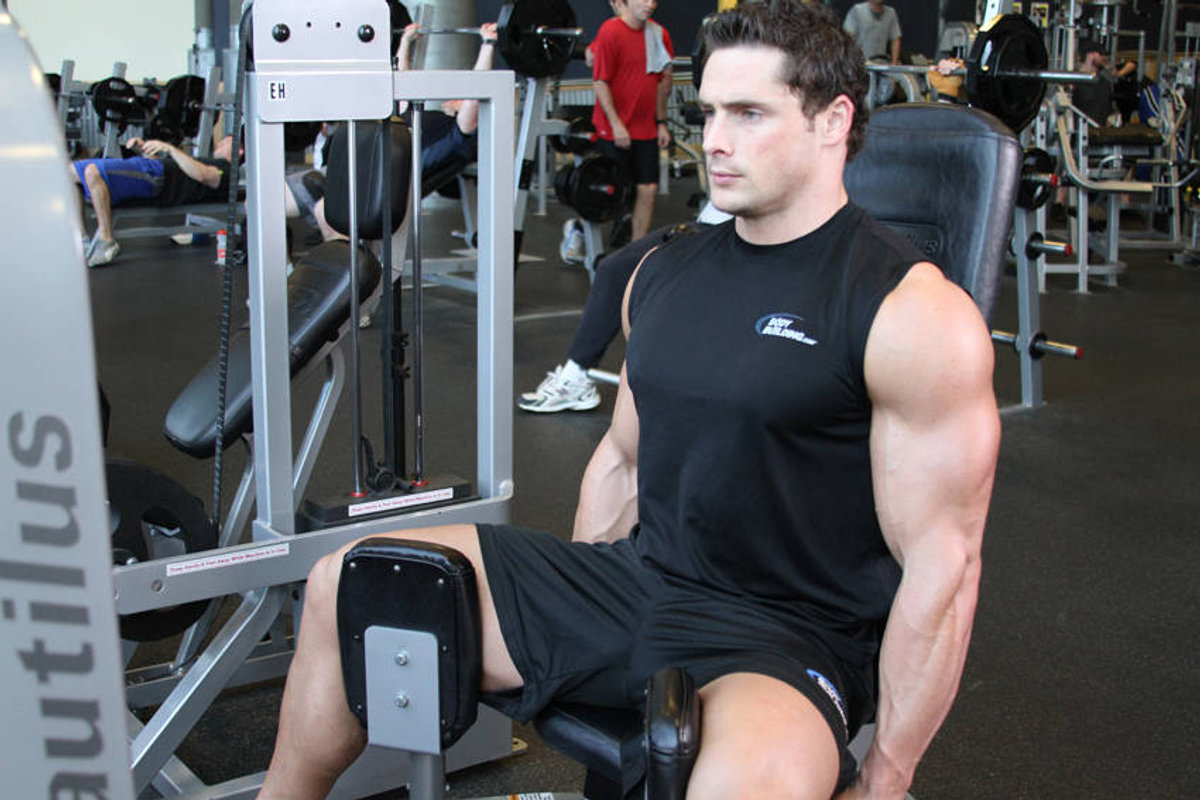
Hip Adductor Machine
Safety Rating for 40+
Benefits for 40+
The hip adductor machine is recommended for patellofemoral pain (Collins et al., 2018 BJSM International Consensus Statement). Adductors are recruited as synergists in squats and lunges but need targeted isolation for complete development and injury prevention. After 40, strong adductors contribute to knee stability and protect against groin injuries that become more common with increasing age.
Form Cues
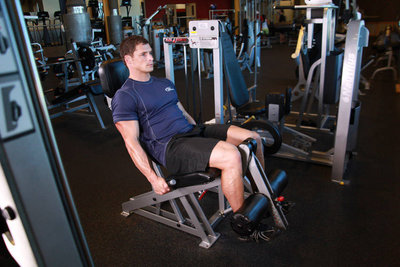
- Upright seat, back against pad, legs on pads
- Bring legs together under control – hold 1 sec at narrowest point
- Open slowly – don't go past the pain-free stretch limit
Common Mistakes
- Starting position too wide, creating excessive stretch under load – risky for over-40s with reduced elasticity
- Too heavy weight with momentum instead of controlled adduction
- Back comes away from the pad – changes hip position and training angle
- Moving too fast without isometric pause at the narrowest point
Modifications
Beginner
Don't open starting position too wide – only as far as pain-free. Light weight, full control.
For Joint Issues
For groin problems: limit ROM and use light weight. For knee issues: this exercise is generally knee-friendly and can even contribute to knee rehabilitation.
Advanced
Pause reps with 3-second hold at the narrowest point. Drop sets for increased metabolic stress. Single-leg variation (cable) for functional adduction.
Scientific Basis
Research recommends hip adduction exercises for patellofemoral pain (Collins et al., 2018 BJSM). Adductors are recruited as synergists in squats and lunges but need targeted isolation for complete development and injury prevention.
Contraindications
- Acute groin strain or inflammation
- Acute adductor strain
- Pain in the pubic symphysis
Related Exercises
Related Guides